
Oakland HVAC · Service guide
Water heater options in Oakland, NJ
Running out of hot water, a leak, or a replacement project needs its own assessment. A water heater provides domestic hot water and is not the same as a boiler serving radiators or baseboards.
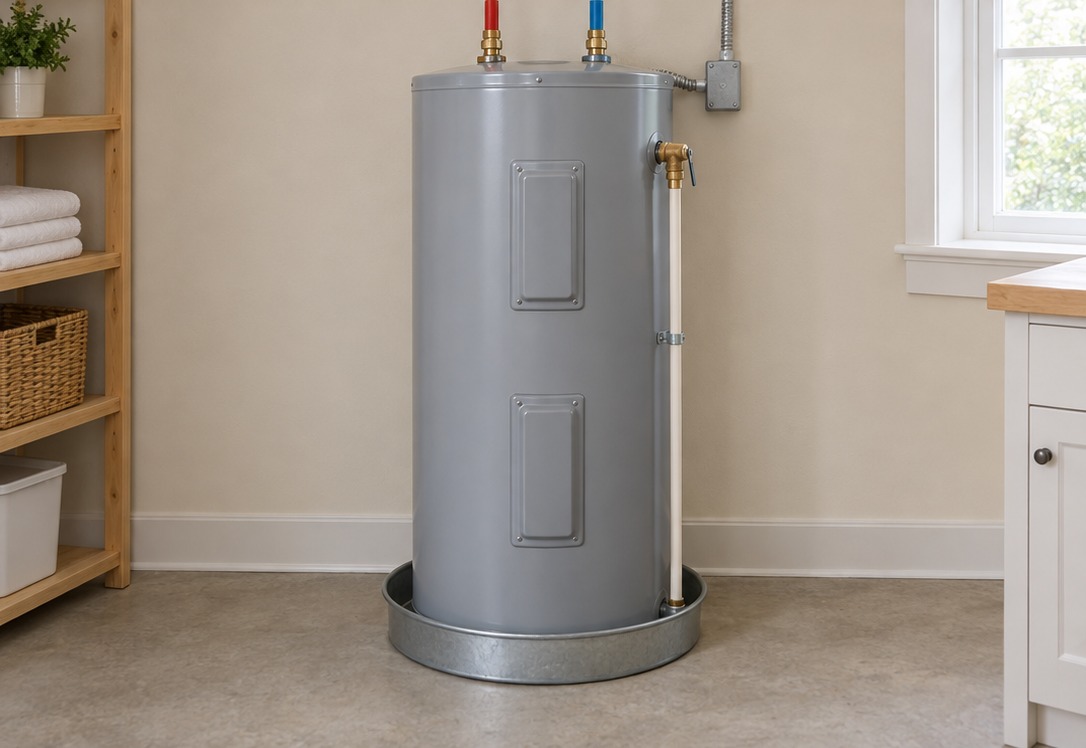
Recognize the concern
Signs worth discussing
- Hot-water supply no longer matches household use.
- Visible water appears near the unit.
- Operating behavior changes.
- You want to compare replacement types.
These observations are a starting point, not a diagnosis. Tell the contractor what changed and when it happens.
Understand the scope
What to ask about the assessment
Share the equipment type, fuel or power source, location, and household hot-water needs. Ask whether the proposed service includes the specific water-heater type. Leave gas, electrical, and pressurized-water work to an appropriately qualified professional.
Confirm that the contractor handles your specific equipment and the work you need. Ask what the visit includes before scheduling.
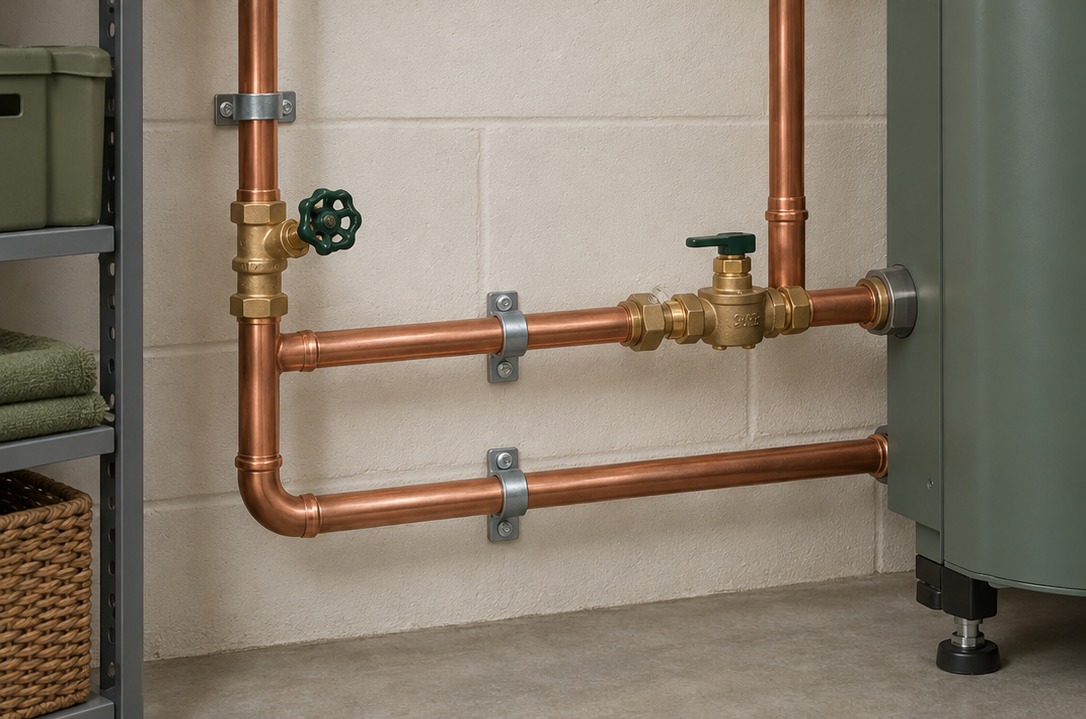
Compare your options
Look at the installation as well as the equipment
Compare tank, tankless, and heat-pump options only where the site supports them. Installation can involve electrical capacity, fuel supply, ventilation, drainage, space, and maintenance needs. A compact unit or efficiency label alone does not establish the right fit.
Keep the written recommendation, included work, exclusions, and scheduling terms together. A clear scope is more useful than a promise made before the equipment is assessed.
A helpful question
Is changing to a tankless unit a simple swap?
It depends on the installation. Ask about fuel or electrical requirements, venting, piping, expected hot-water use, and all related work before deciding.
Compare independent advice on equipment, installation, and seasonal care in ENERGY STAR’s heating and cooling guide.
Connect the pieces
Related comfort topics
Your next step
Start with the room. Then the system.
Gather your equipment details, the symptoms you notice, and your project goals. Scope, pricing, and scheduling require direct confirmation.