
Service topics
HVAC Services in Oakland, NJ
Choose a system or comfort concern below. These guides help you prepare a more useful conversation; equipment scope and availability must be confirmed directly.
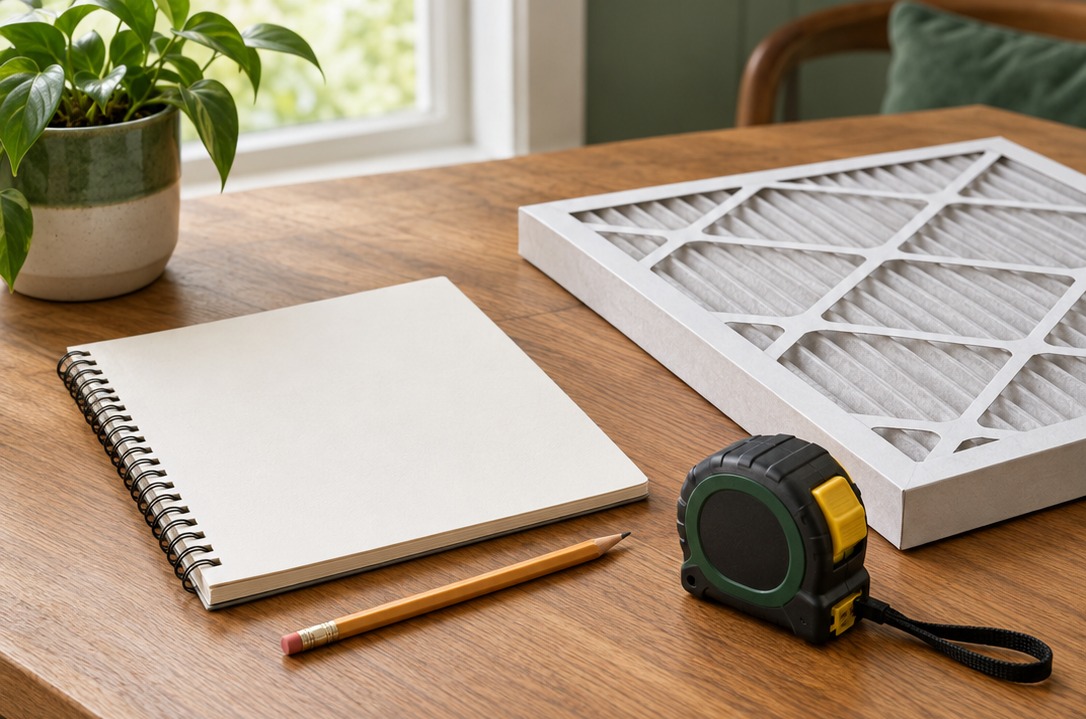
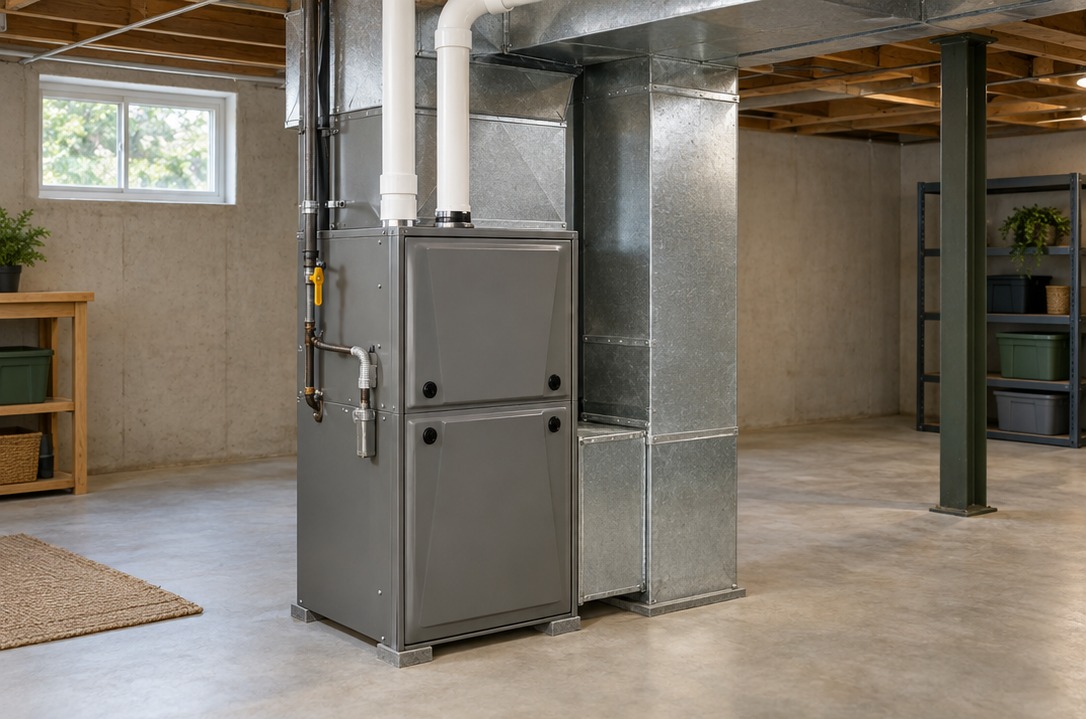
Furnaces & heating
A cold house can interrupt your whole day.
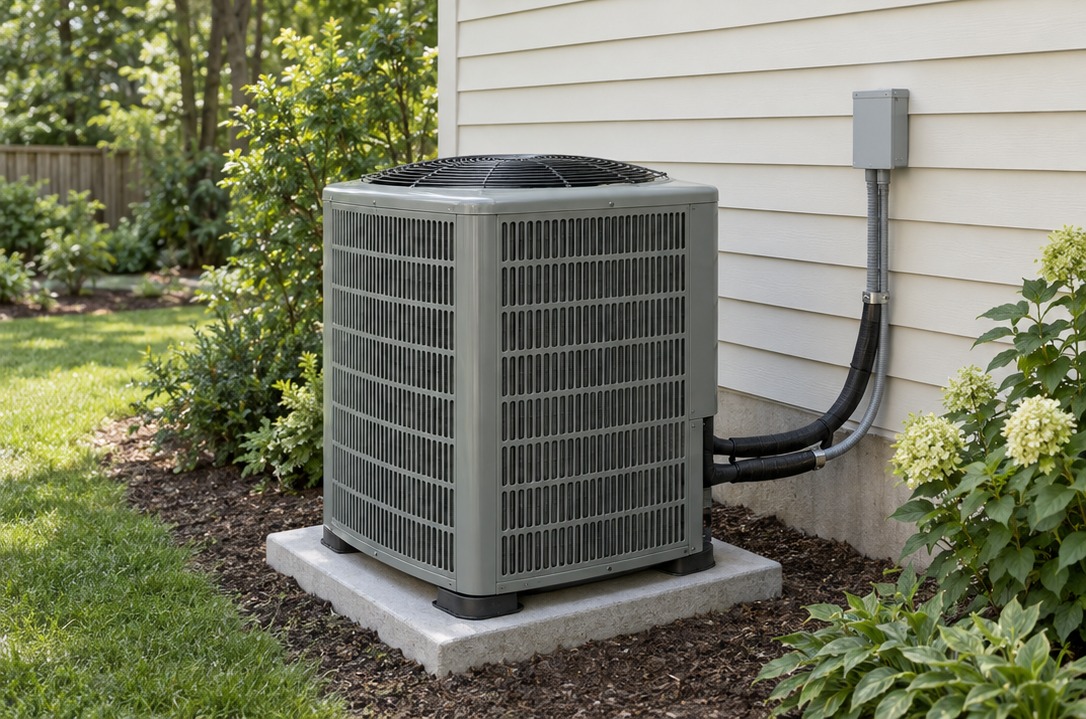
Central air conditioning
Warm air from the vents, sticky rooms, or cooling that never catches up deserve a clear explanation.
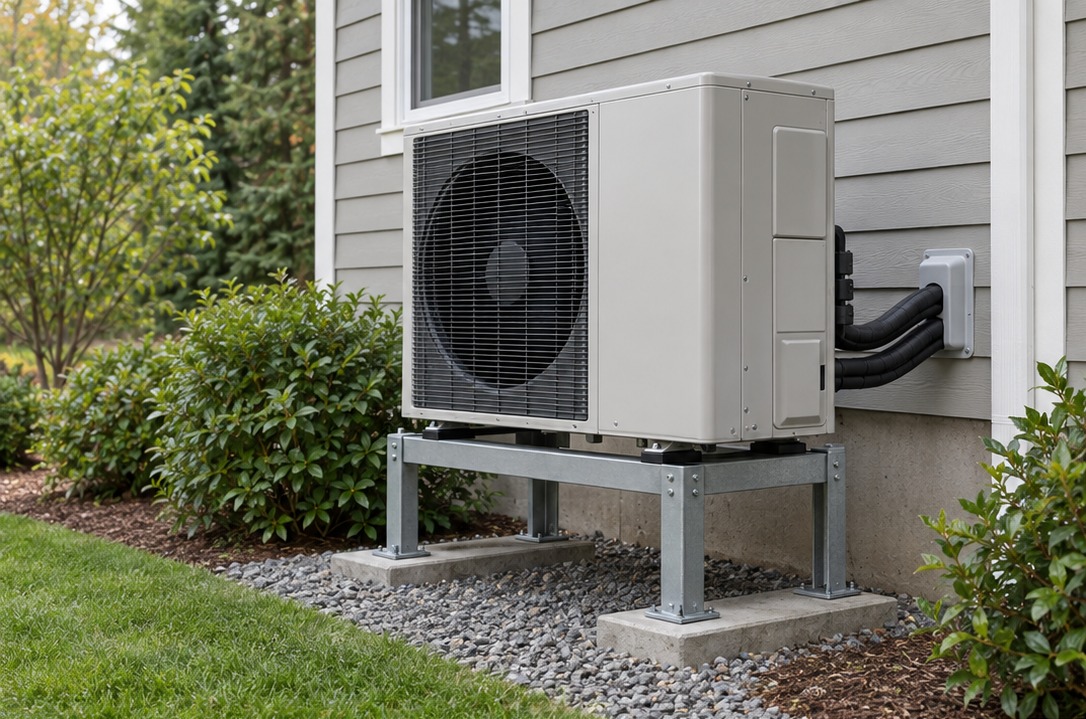
Heat pumps
Thinking about one system for heating and cooling? Compare a heat pump around your home, not just an equipment label.
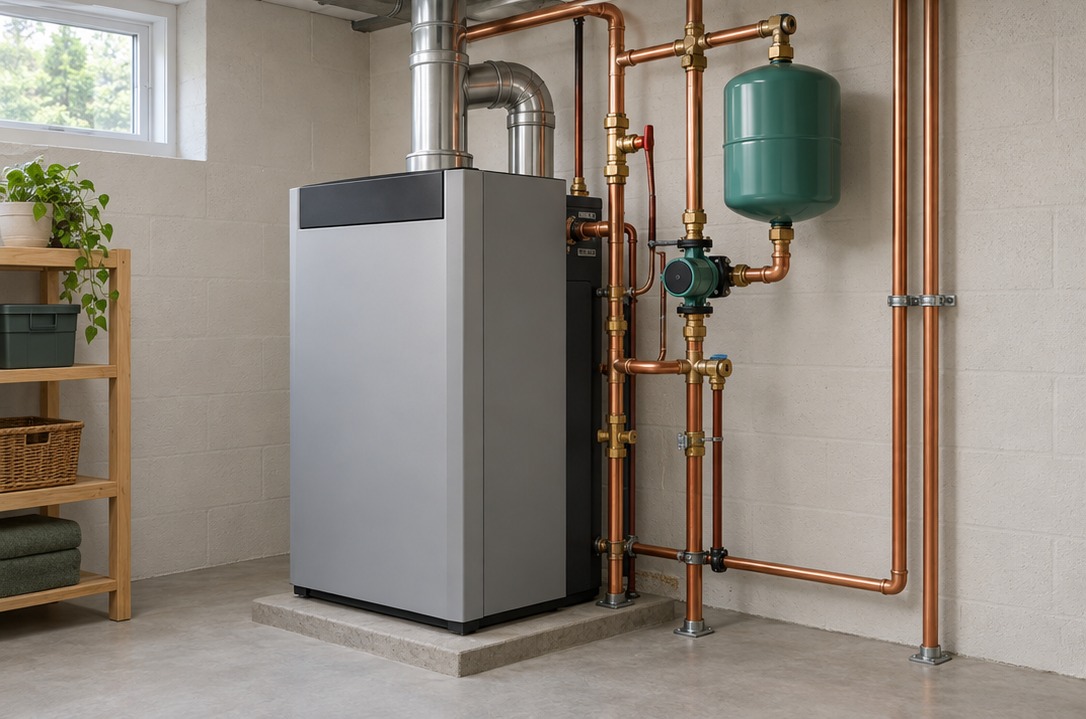
Boilers & hot-water heat
Cold baseboards, uneven radiators, and recurring boiler issues call for more than a quick guess.
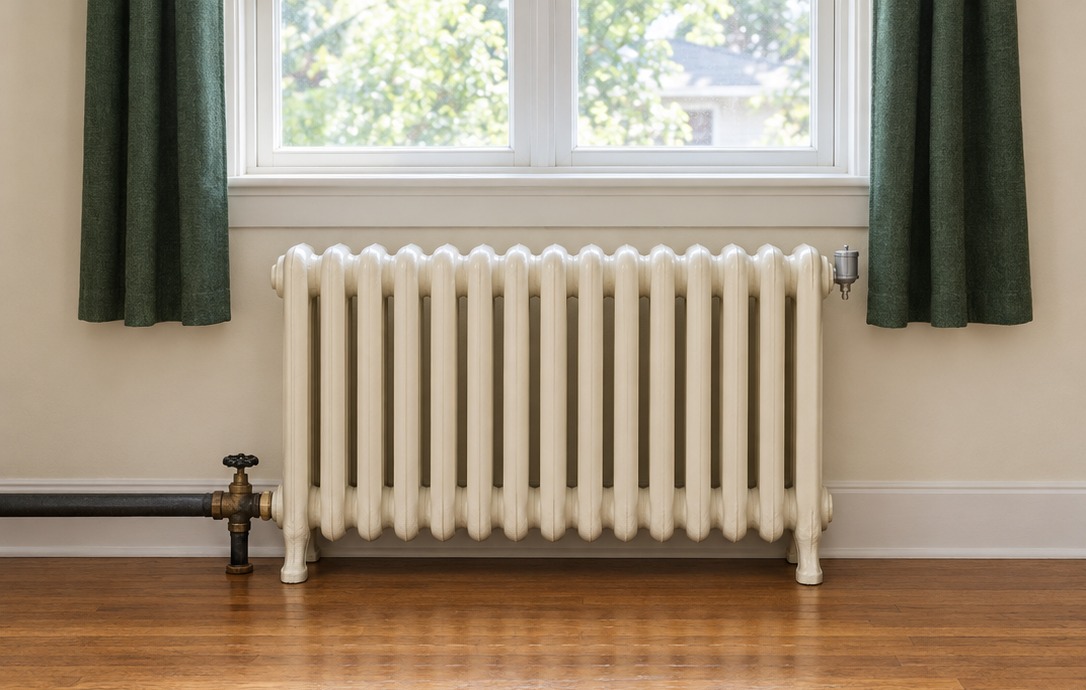
Steam boilers & radiators
Older radiator systems deserve system-specific attention.
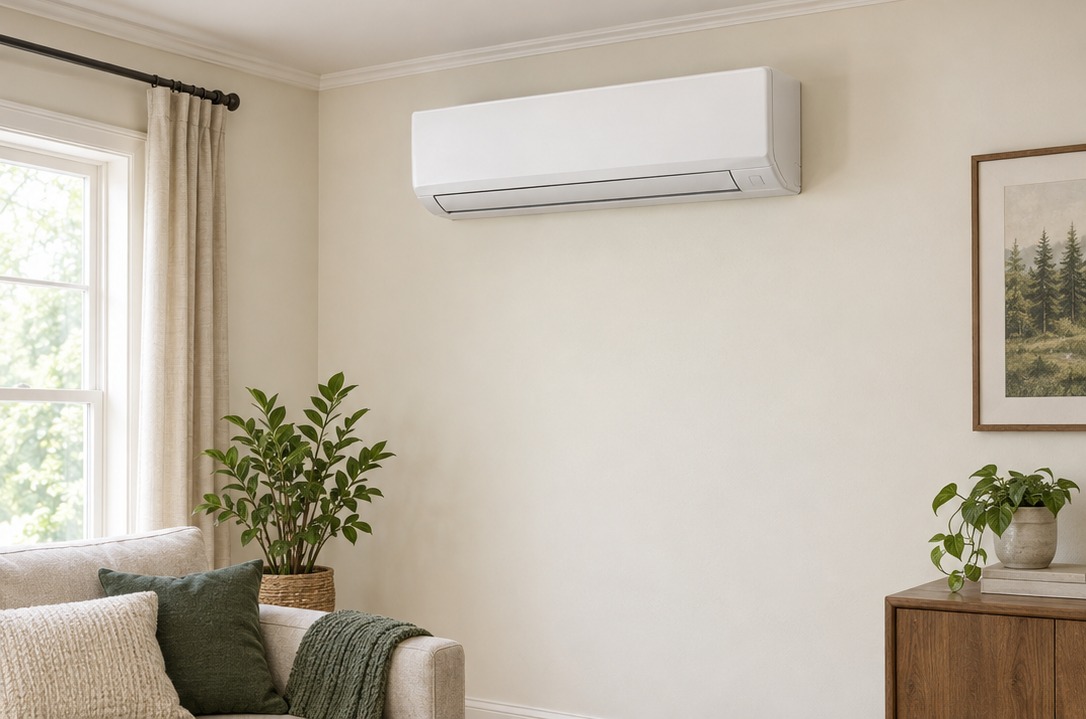
Ductless mini-splits
A sunroom, home office, or addition may need comfort without extending a full duct system.
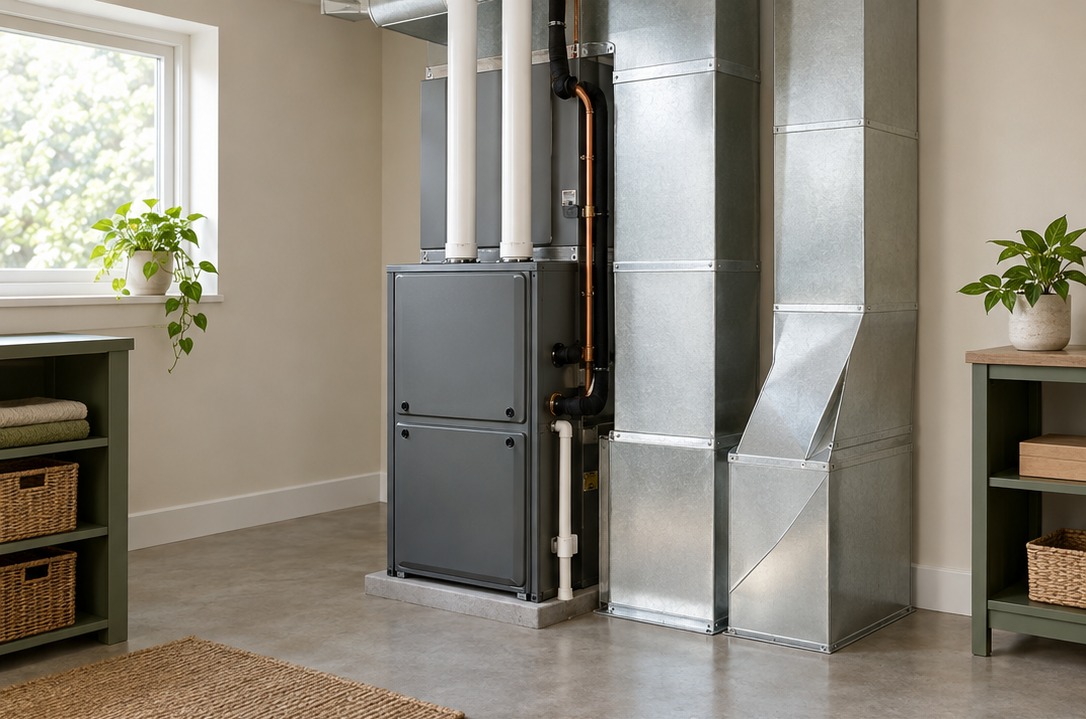
Replacement & conversions
A new system is a home decision, not just an equipment purchase.
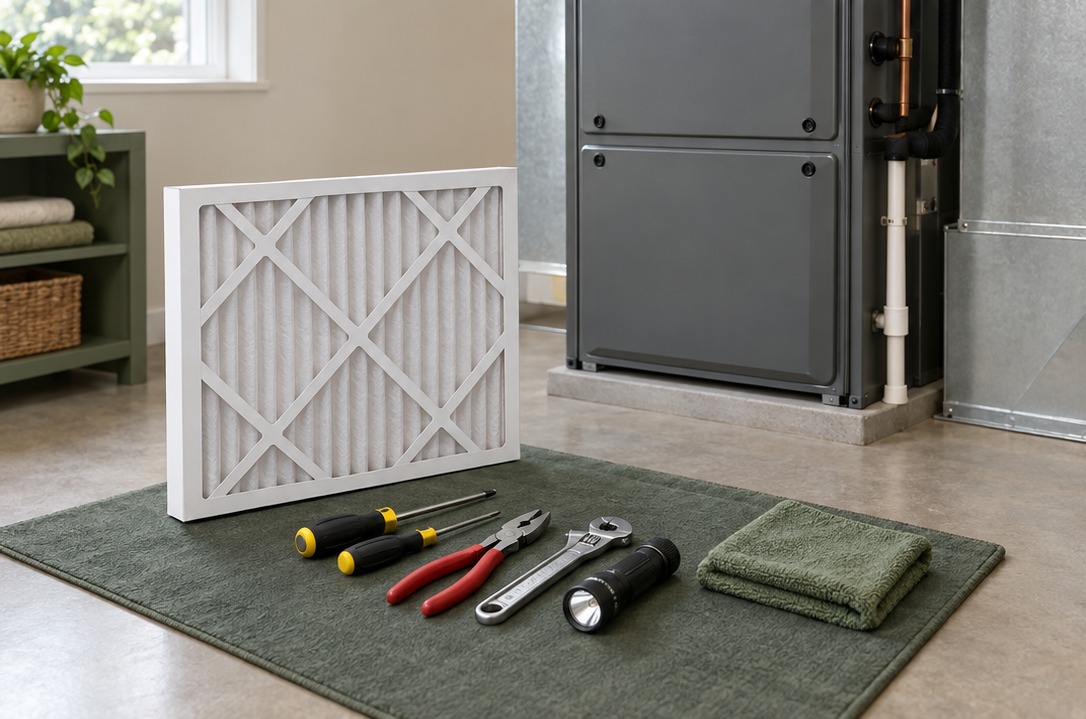
Maintenance & tune-ups
A system can still run while small changes go unnoticed.
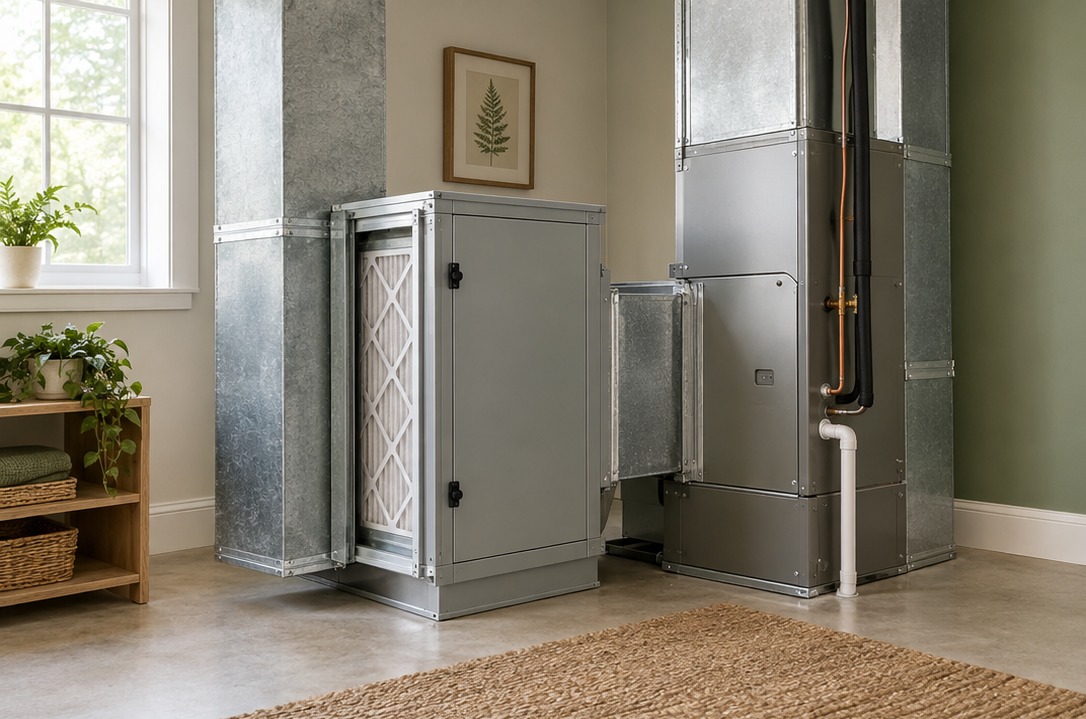
Indoor air quality
Dust, stale rooms, and moisture concerns are different problems.
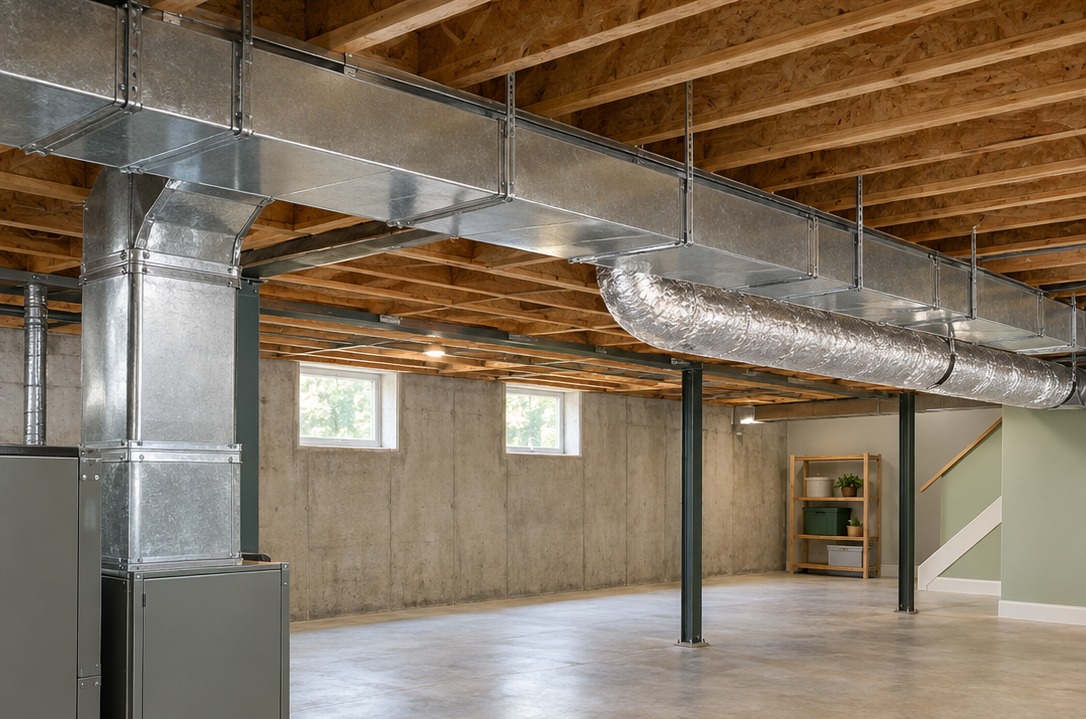
Ductwork, airflow & zoning
When one room is always uncomfortable, the equipment may not be the only issue.
Thermostats & controls
Comfort starts with controls that match the equipment and the household.
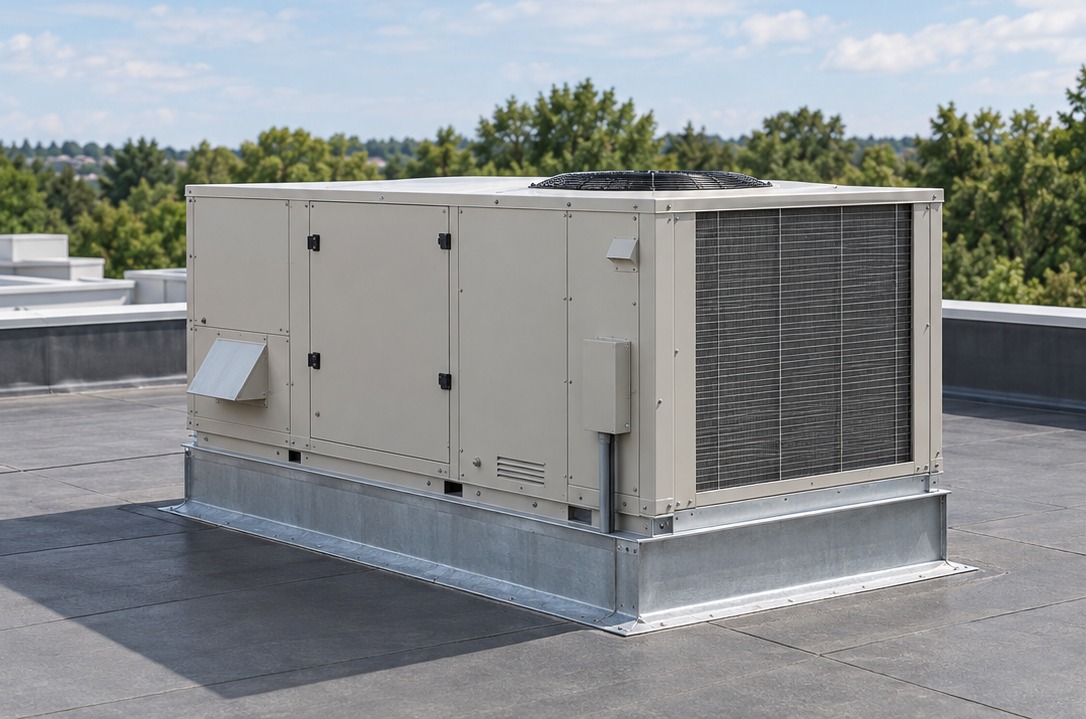
Commercial HVAC
Comfort in a workplace affects the way the space is used.
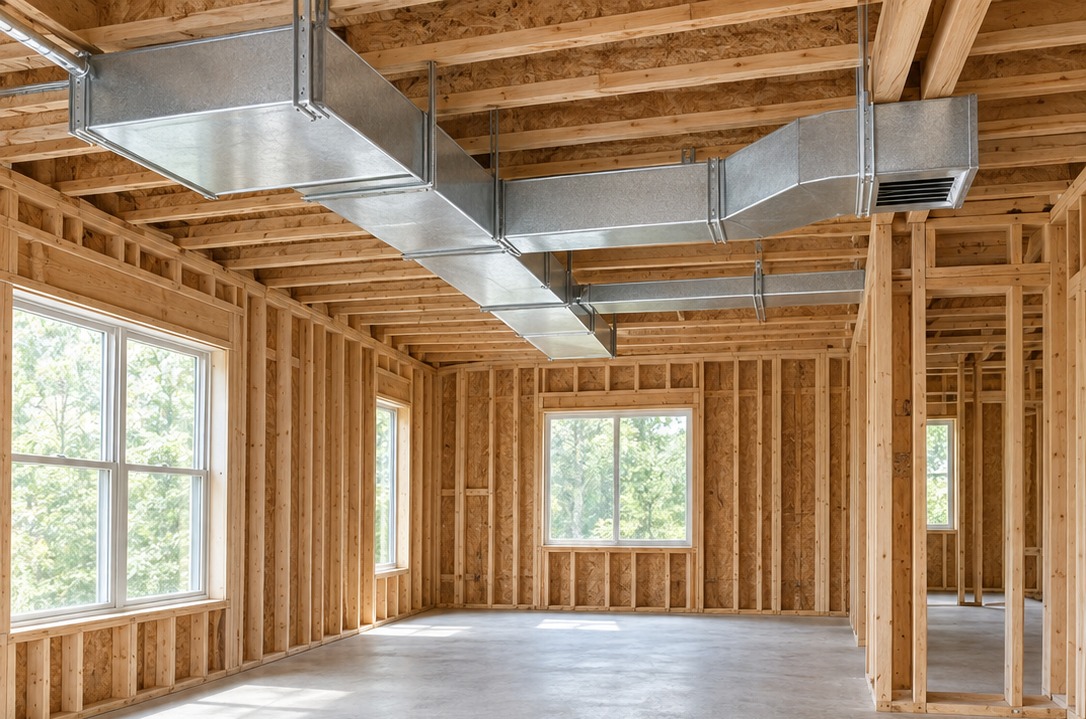
Construction & renovations
An addition or renovation changes more than the floor plan.
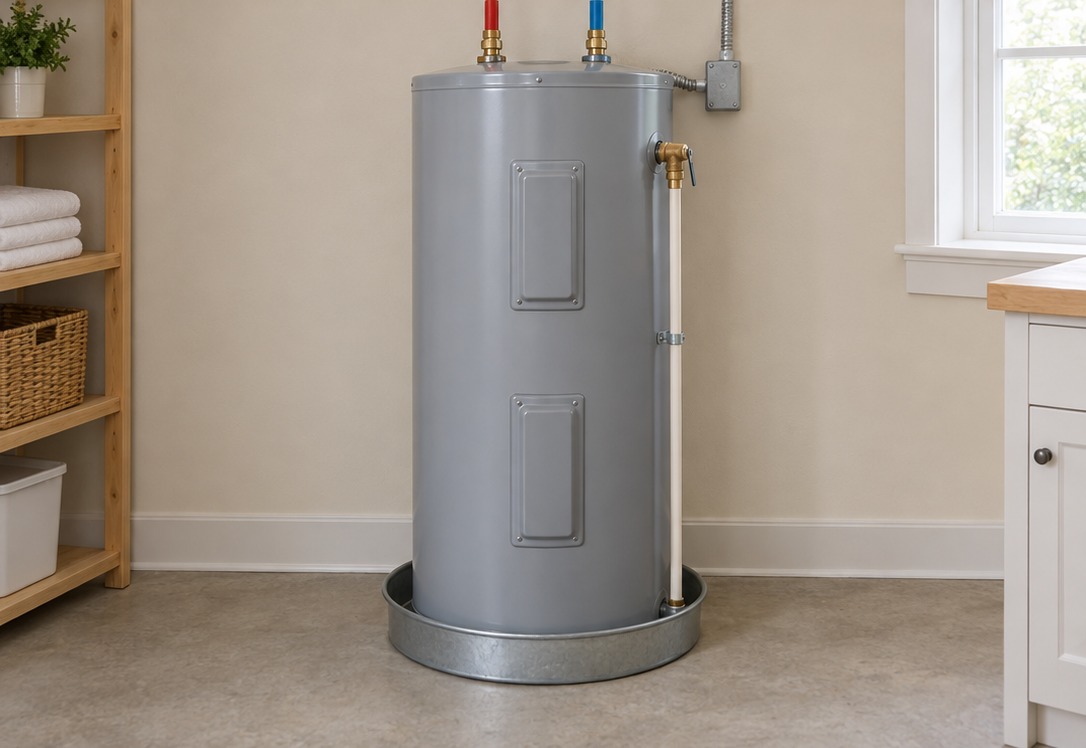
Water heaters
Running out of hot water, a leak, or a replacement project needs its own assessment.
A clearer conversation
Three steps toward a useful answer
You do not need to diagnose the equipment yourself. The details you already know are a useful place to start.
01 · Describe
What changed?
Note the symptoms, affected rooms, and when you first noticed the issue.
02 · Discuss
What fits the home?
Compare equipment, distribution, controls, and any planned room changes.
03 · Decide
What is included?
Confirm the proposed work, written price, availability, and next steps before approving a job.
Your next step
Schedule HVAC Service in Oakland, NJ
Call Oakland HVAC at (551) 303-7088 or send a request. Tell us what you notice and which rooms are affected.
Match the service request to the problem you want solved
The right starting point is the concern you notice, not a guess about a replacement part. An Oakland homeowner might be dealing with a complete shutdown, an uncomfortable room, or an upgrade that needs careful planning. Use the topics already listed on this page to identify the closest match, then explain what is happening in your own words.
This additional service guide helps separate repair, maintenance, installation, and whole-home comfort questions. Those categories can overlap, but they are not interchangeable. Ask what an assessment will cover and which decisions will require a separate recommendation before you approve work.
Repair starts with an observed symptom
For a repair request, describe whether equipment is failing to start, stopping unexpectedly, or running without producing the result you expect. Include the timing and the affected rooms. A problem that appears only after several hours deserves a different description from a unit that will not start at all.
Ask how the diagnosis will be explained and what the initial charge includes. Request a written repair scope before additional work begins. If there are several options, ask which addresses the immediate fault and which involves a broader improvement. Keep copies of the findings so a recurring concern can be discussed with a clear history.
Maintenance has a different purpose
For routine care, ask which equipment is included and what the visit will check. A house with separate heating, cooling, and water-heating equipment may need more than one type of service discussion. Mention any current symptoms rather than assuming that a routine appointment automatically includes diagnosis of every concern.
The Department of Energy recommends following equipment care instructions, maintaining filters, and keeping warm-air registers and heating surfaces unobstructed. Its Energy Saver guide provides a useful overview. Ask which tasks are suitable for you and which require professional attention, then build a schedule around the actual equipment.
Installation involves more than selecting a unit
For new equipment, ask how the proposed system will fit the home and connect to the existing installation. Discuss the rooms served, the controls, service access, and any changes needed to ducts, piping, drainage, or electrical connections. Request an explanation of which items are included and which are separate.
Before comparing prices, make sure the proposals describe comparable work. Ask how equipment size was determined and what will be checked after installation. DOE advises proper sizing and a whole-house approach rather than considering equipment efficiency alone. Read its equipment-planning guidance as a starting point for the questions you bring to an estimate.
Uneven comfort calls for a room-by-room description
When one area feels different, identify the room and the conditions that bring on the issue. Mention doors, recent renovations, room use, and the time of day. Ask whether the assessment will consider distribution and controls before assuming the central unit needs to be larger.
Use the ductwork and airflow page to prepare questions about the existing system. If the space has no useful duct route, the ductless guide can help you organize a separate discussion. Neither topic replaces an on-site assessment of what the room needs.
Air-quality requests should name the concern
Explain whether you are noticing dust, an odor, moisture, or a room that feels stale. Record when it appears and whether it follows cooking, cleaning, weather, or another activity. Ask what the proposed product or work is intended to address and how success will be evaluated.
EPA distinguishes source control, ventilation, and supplemental filtration, rather than presenting one device as a complete solution. Its indoor-air-quality guidance helps explain that distinction. For a service conversation, ask how equipment compatibility, upkeep, and the original source of the concern will be considered together.
Coordinate related work before approving it
If you are also planning remodeling, describe the schedule and the people involved. Ask which HVAC decisions need to happen before walls, ceilings, or finishes are closed. Confirm who will coordinate permits, access, inspections, and any work outside the HVAC scope.
For commercial spaces, identify the property contact and the person authorized to approve changes. For a rental home, clarify the owner's role before arranging work. A shared understanding of responsibilities is more helpful than discovering during a visit that a necessary decision-maker has not been included.
Leave the conversation with a defined next step
Before ending the discussion, confirm whether the next step is a diagnostic visit, maintenance appointment, estimate, or project-planning call. Ask what you should prepare and what remains unconfirmed. Request clarification about pricing, timing, and approval rather than filling in those gaps yourself.
You can use the contact page to describe the service topic and the main concern. Bring the equipment information you already have, but do not take equipment apart to gather more. A concise description and a few clear questions are enough to begin a useful conversation.