
Oakland HVAC · Service guide
Steam Boiler & Radiator Repair in Oakland, NJ
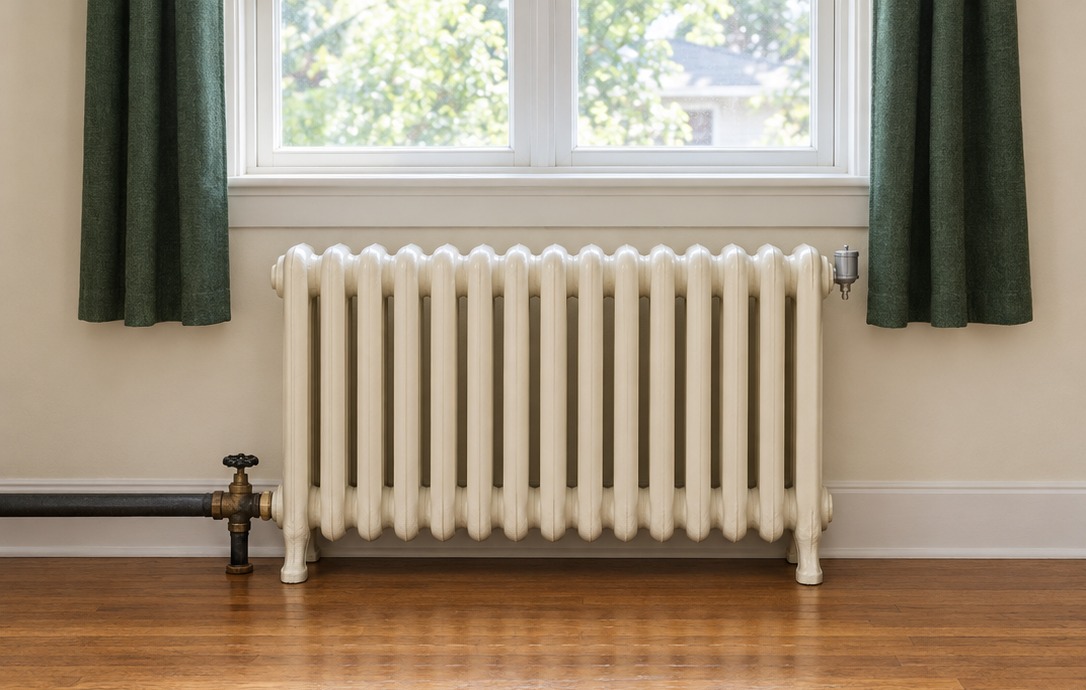
Older radiator systems deserve system-specific attention. Cold radiators, new pipe noise, or water concerns are useful clues, but none proves a diagnosis on its own.
Recognize the concern
Signs worth discussing
- Some radiators stay cold while others heat.
- New banging or clanging appears.
- Water leakage or repeated water loss is noticed.
- Heating is uneven between rooms or floors.
Understand the scope
What to ask about the assessment
A steam-heating conversation should include the boiler, controls, piping, radiator behavior, and changes in operation. Record which radiators are affected and when noises happen. Do not adjust pressure controls or safety devices yourself.
Compare your options
Look at the installation as well as the equipment
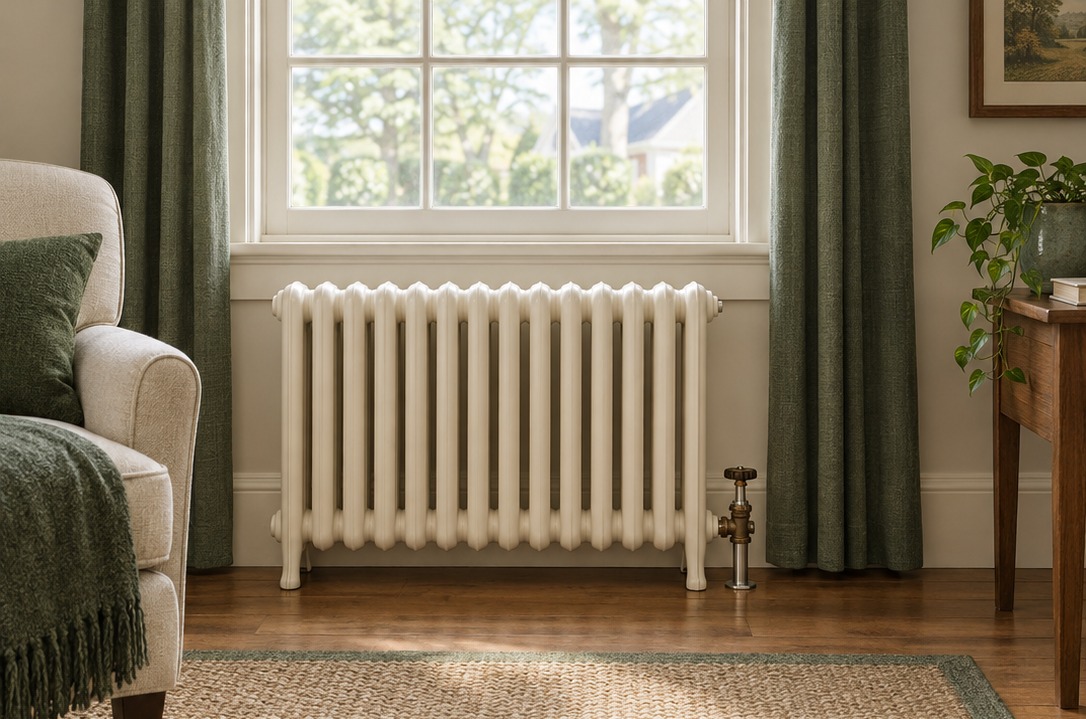
Preserving radiator comfort may be a practical goal. Compare repair with a replacement that respects the existing distribution system. Ask what the proposed work includes, how sizing will be determined, and whether piping or control changes are part of the plan.
A helpful question
Should I replace every radiator if one room is cold?
Do not assume so. A single cold room needs an assessment of its connection to the larger system before deciding which components need attention.
Compare independent advice on equipment, installation, and seasonal care in ENERGY STAR’s heating and cooling guide.
Connect the pieces
Related comfort topics
Your next step
Schedule Steam Boiler Service in Oakland, NJ
Need steam boiler service in Oakland? Call (551) 303-7088 or send a request, and tell us what you are noticing.
Give a steam-heating problem a system-specific description
When a radiator system is uncomfortable, the useful first step is describing the pattern rather than trying a collection of adjustments. Note whether every room is affected, whether one radiator behaves differently, and whether the concern occurs during startup or after the system has been running. Include the boiler information and earlier service records if available.
DOE identifies steam and hot-water heating as boiler systems that distribute heat through piping. Its heating overview provides the broad distinction. Ask a qualified professional to identify the arrangement in your home before applying maintenance advice intended for a different system.
Make a room-by-room list of the concern
Record which radiators are involved and describe what you notice in ordinary terms. One room may remain cool while another feels too warm, or a sound may appear only at a certain point in operation. Include when the pattern started and whether it changed after earlier work.
Ask how the assessment will consider the boiler and the distribution together. A room list is more useful than a conclusion that the boiler must be larger. Do not attempt to correct the pattern by randomly changing valves or controls. Keep the observations available so they can be compared with the professional findings.
Identify changes around the heating surfaces
Mention changes to furniture, floor coverings, room use, or access around radiators. If renovation work occurred near heating pipes, include the timing without assuming that it caused the issue. Describe what is visible from a safe position and leave concealed or hot components alone.
DOE recommends keeping radiators and other heating surfaces unobstructed. Its homeowner care guidance is a useful reference for ordinary room care. Ask for advice specific to your installation before adjusting a device or attempting work that involves steam, pressure, or hot surfaces.
Keep noises and leaks in the service description
If you hear an unusual sound, note where it seems to come from and when it occurs. If there is a visible leak, describe its location without approaching a hazardous area. An accessible photograph may help only when it can be taken without touching equipment or exposing you to hot surfaces.
Ask what immediate precautions are appropriate while waiting for service. Do not remove covers, open pressure-related components, or repeatedly reset a system to investigate it. Your role in the first conversation is to provide useful information, not to prove which component has failed.
Request a clear explanation of the repair scope
Ask the professional assessing the system to describe the finding and the work proposed to address it. Request a written scope that identifies included parts, labor, and follow-up checks. If several repairs are recommended, ask how they relate to the symptom you reported.
For recurring room problems, ask what will be checked after the immediate work is complete. Confirm how unresolved symptoms should be reported and what documentation you will receive. Keep the repair record with earlier invoices so a later visit can distinguish old recommendations from completed work.
Evaluate replacement without overlooking the distribution
If a new boiler is proposed, ask how the equipment and the existing radiator system will be assessed together. Request an explanation of the sizing method, connection work, controls, venting, and any distribution changes included in the price. Clarify what will remain unchanged.
DOE recommends proper heating-system sizing and a whole-house approach to upgrades. Its equipment-planning guidance supports asking about the complete installation rather than selecting by a label alone. Compare proposals against the same room concerns and the same project requirements.
Ask which care tasks belong to the homeowner
Keep the manufacturer's instructions and ask for a practical explanation of any routine observation expected between visits. Do not assume that a task described for another steam system is suitable for yours. Ask how to recognize a condition that needs service and whom to contact if it appears.
For fuel-burning heating equipment, CPSC recommends professional annual inspection, including chimneys and vents. Its safety guidance explains that broader responsibility. Confirm what a maintenance visit includes and ask to keep the findings with your records.
Prepare the next step without guessing at a fix
Use the contact page to identify the steam system, the main symptom, and the rooms affected. Ask what information is useful before a visit and what appointment timing can be confirmed. If the system type is uncertain, make that one of the first questions rather than choosing a repair method yourself.
For a carbon monoxide alarm, leave for fresh air, call 911, and wait outside for emergency instructions. CPSC's response guidance takes priority over an ordinary service request. Routine comfort planning can continue only after an immediate hazard has been addressed.