
Oakland HVAC · Service guide
Ductwork, airflow & zoning in Oakland, NJ
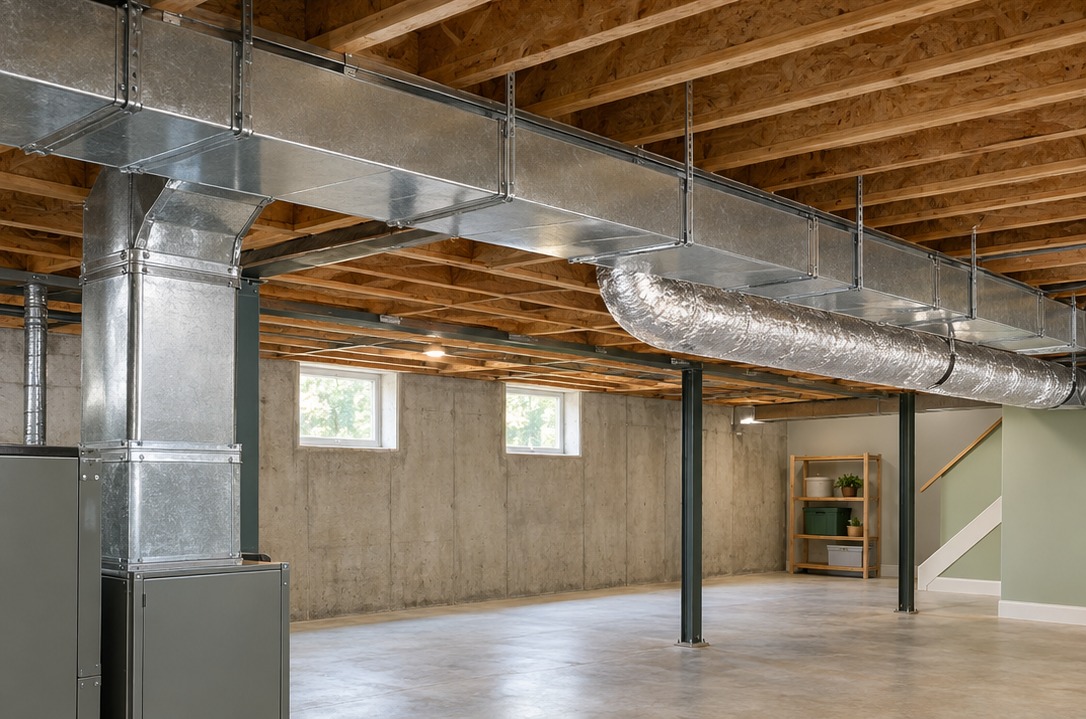
When one room is always uncomfortable, the equipment may not be the only issue. Room layout, ducts, returns, controls, and the building itself belong in the conversation.
Recognize the concern
Signs worth discussing
- Upper and lower floors feel noticeably different.
- Airflow seems weak in selected rooms.
- A renovation has changed the room layout.
- You want to explore separate temperature zones.
These observations are a starting point, not a diagnosis. Tell the contractor what changed and when it happens.
Understand the scope
What to ask about the assessment
Ask how airflow will be assessed and which rooms are included. Explain whether doors are usually open or closed, where comfort problems appear, and whether the issue occurs during heating, cooling, or both.
Confirm that the contractor handles your specific equipment and the work you need. Ask what the visit includes before scheduling.
Compare your options
Look at the installation as well as the equipment
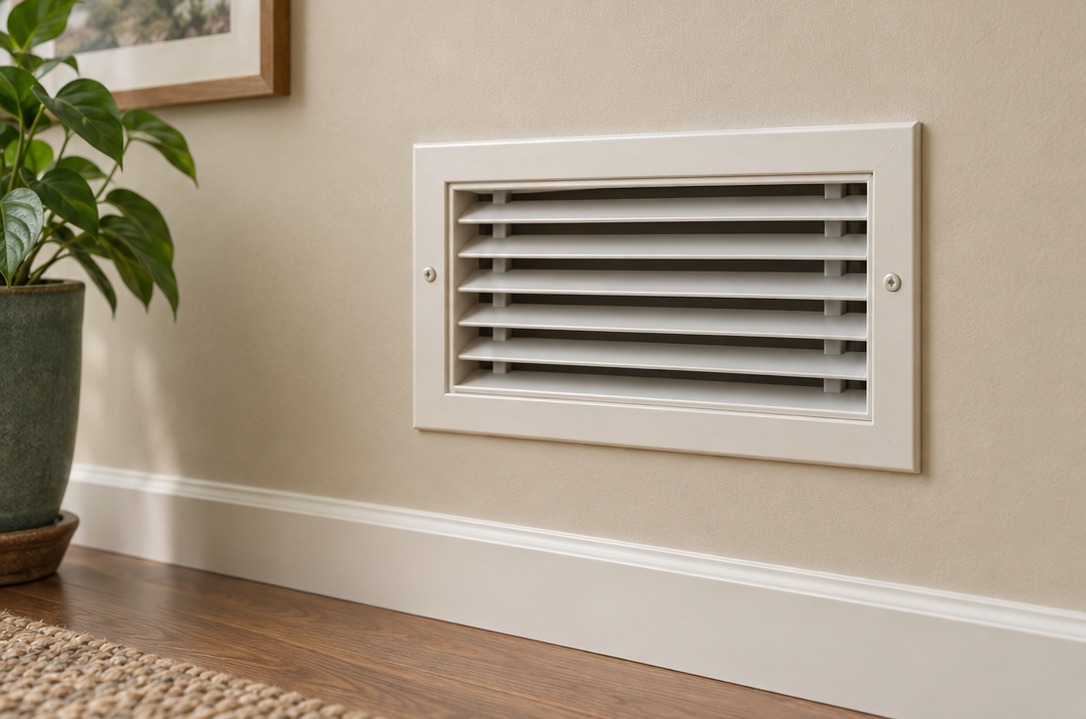
Possible project directions may involve distribution changes, controls, zoning, or a room-specific system. The right approach needs an assessment. Avoid closing many registers or changing dampers without guidance, because an apparent room-level fix can affect the larger system.
Keep the written recommendation, included work, exclusions, and scheduling terms together. A clear scope is more useful than a promise made before the equipment is assessed.
A helpful question
Does a larger unit fix uneven rooms?
Not automatically. Ask whether the issue is capacity, distribution, controls, or another building condition before choosing equipment.
Compare independent advice on equipment, installation, and seasonal care in ENERGY STAR’s heating and cooling guide.
Connect the pieces
Related comfort topics
Your next step
Start with the room. Then the system.
Gather your equipment details, the symptoms you notice, and your project goals. Scope, pricing, and scheduling require direct confirmation.