
Oakland HVAC · Service guide
Heat pump options in Oakland, NJ
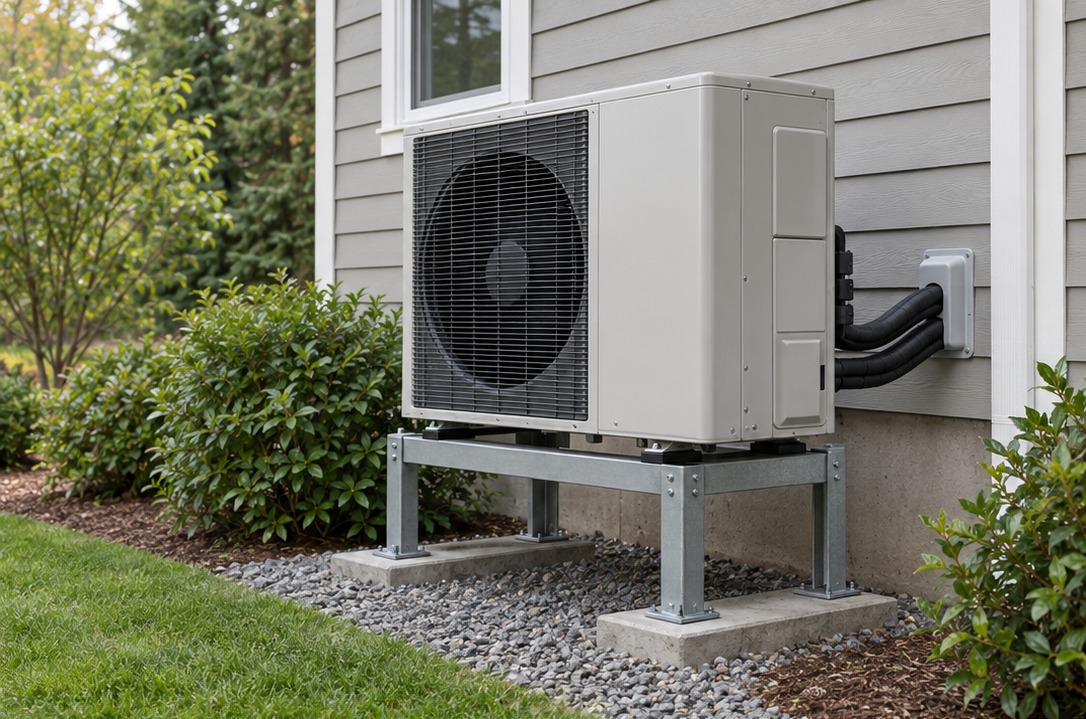
Thinking about one system for heating and cooling? Compare a heat pump around your home, not just an equipment label. Existing heat, room layout, controls, and installation details all belong in the discussion.
Recognize the concern
Signs worth discussing
- Heating or cooling no longer meets the thermostat setting.
- The system has changed how often it cycles.
- You are comparing electric heating and cooling options.
- A planned replacement raises questions about backup heat.
These observations are a starting point, not a diagnosis. Tell the contractor what changed and when it happens.
Understand the scope
What to ask about the assessment
A heat-pump discussion should cover both seasons. Ask how the proposed equipment fits the home, what happens during colder conditions, which controls are needed, and how any existing heating system would work alongside it.
Confirm that the contractor handles your specific equipment and the work you need. Ask what the visit includes before scheduling.

Compare your options
Look at the installation as well as the equipment
Ducted and ductless approaches solve different layout problems. Compare the full installation, electrical requirements, indoor-unit placement, maintenance access, and operating strategy. Do not assume a rebate or savings amount applies until the current program rules and your project are checked.
Keep the written recommendation, included work, exclusions, and scheduling terms together. A clear scope is more useful than a promise made before the equipment is assessed.
A helpful question
Can I keep an existing heating system?
That is a project-specific question. Ask about compatibility, control strategy, backup operation, and the condition of the existing equipment before planning a combined system.
Compare independent advice on equipment, installation, and seasonal care in ENERGY STAR’s heating and cooling guide.
Connect the pieces
Related comfort topics
Your next step
Start with the room. Then the system.
Gather your equipment details, the symptoms you notice, and your project goals. Scope, pricing, and scheduling require direct confirmation.